How the New York Marathon Became a Billion Dollar Business
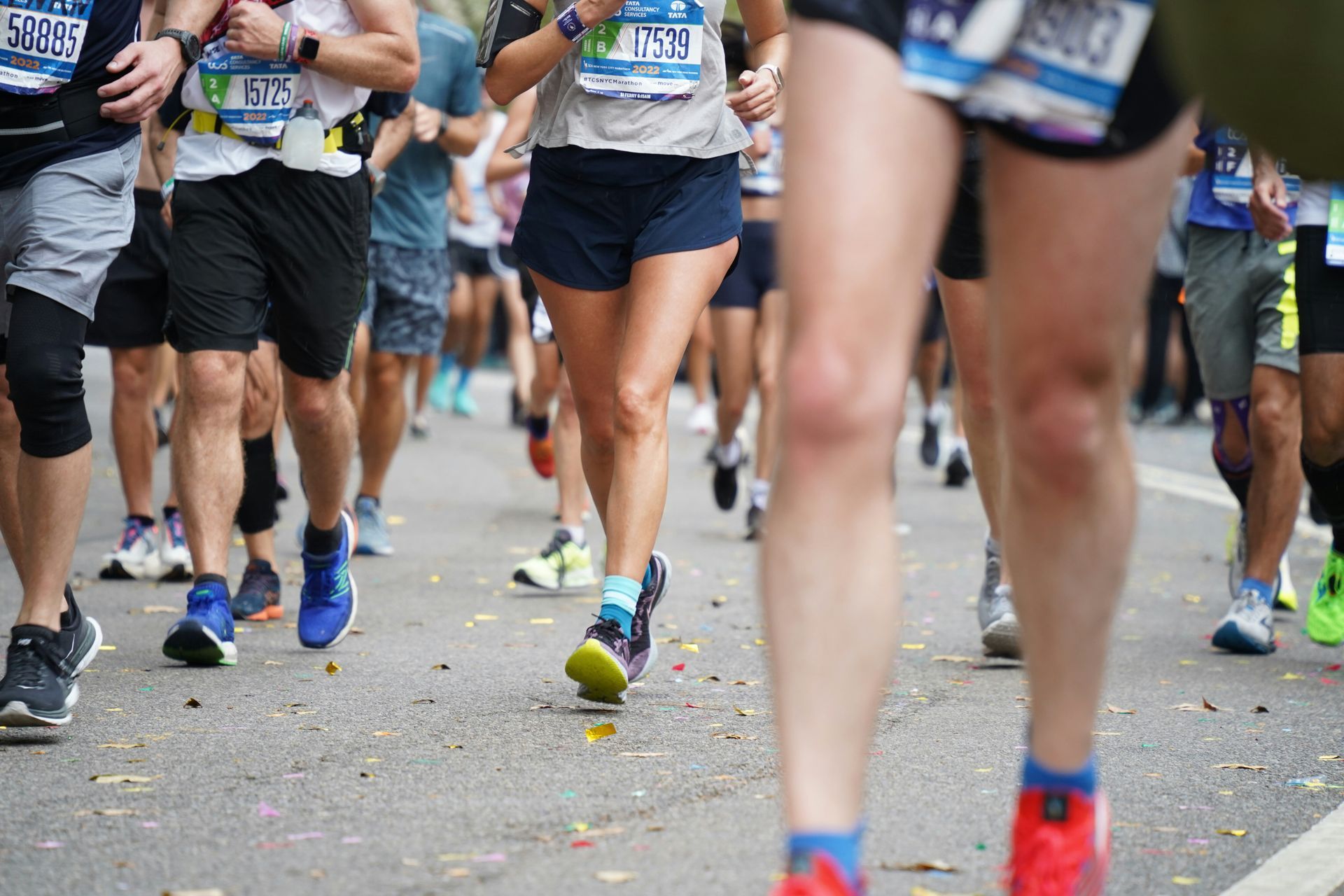
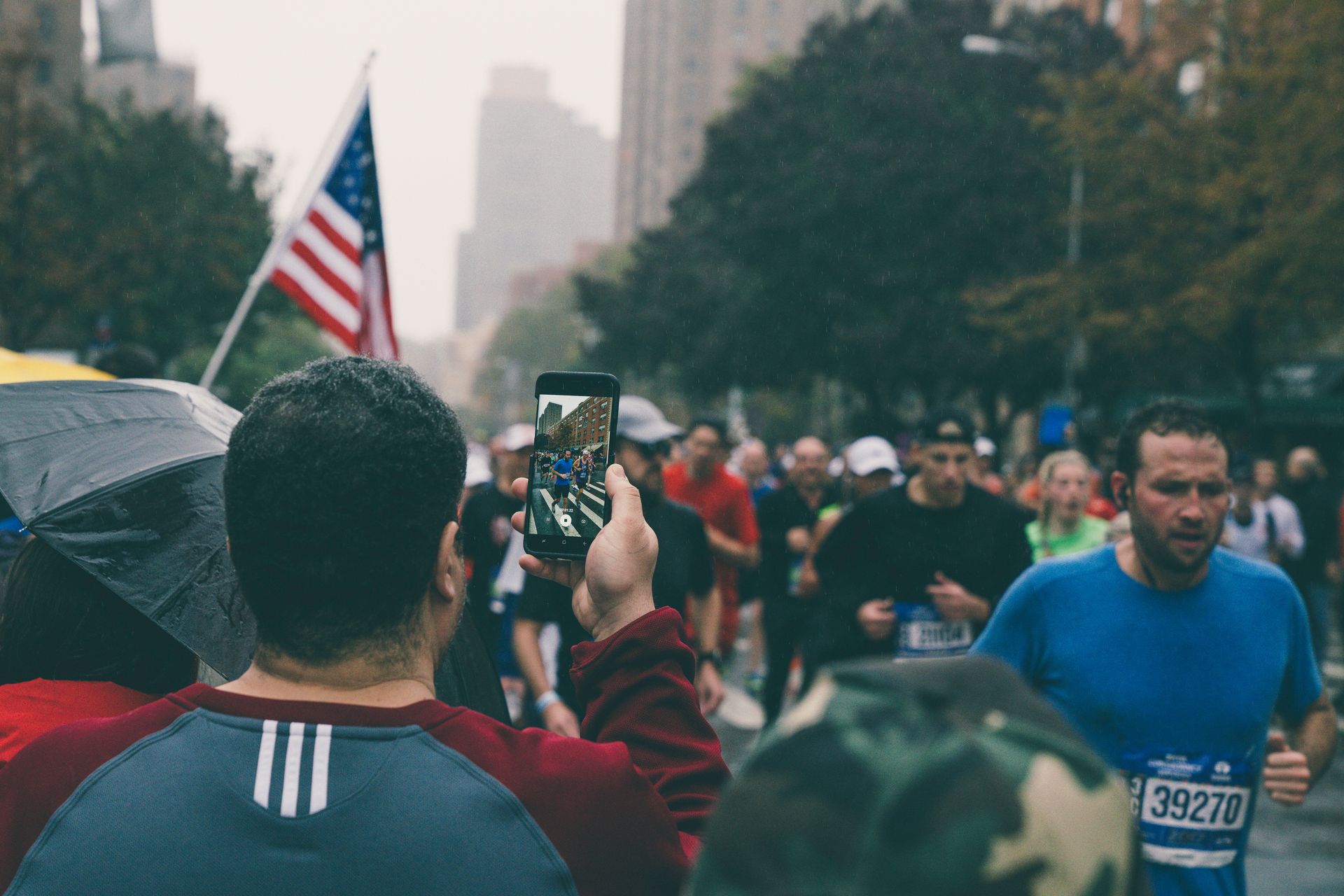
The TCS New York City Marathon has evolved from a modest four-lap race around Central Park in 1970 to one of the world's most lucrative sporting events. With over 50,000 runners crossing the finish line annually and millions of spectators lining the streets, this iconic race generates more than $1 billion in economic impact for New York City each year. But how did a simple running event transform into a commercial powerhouse?
From Humble Beginnings to Global Phenomenon
When Fred Lebow and the New York Road Runners organised the first New York Marathon in 1970, just 127 runners participated, and only 55 finished. The entry fee was $1, and the total budget was roughly $1,000. Fast forward to today, and the marathon has become one of the six World Marathon Majors, attracting elite athletes, celebrities, and amateur runners from more than 140 countries.
The transformation began in 1976 when the race expanded beyond Central Park to encompass all five boroughs of New York City. This strategic move turned the marathon into a citywide celebration, dramatically increasing both participation and spectator engagement. Television coverage soon followed, catapulting the event onto the global stage.
The Business Model Behind the Billions
The New York Marathon's financial success stems from multiple revenue streams that work together to create extraordinary value. Entry fees alone generate substantial income, with runners paying between $300 and $400 for the privilege of competing. However, the real money flows from corporate sponsorships, broadcasting rights, and merchandise sales.
Title Sponsorship and Corporate Partnerships
Tata Consultancy Services (TCS) has served as the title sponsor since 2014, reportedly paying tens of millions of dollars annually for the association. This partnership exemplifies how major corporations leverage the marathon's global reach and positive brand image to connect with consumers. Beyond the title sponsor, dozens of official partners and suppliers contribute millions more in exchange for marketing opportunities.
Corporate hospitality packages offer another lucrative avenue. Companies pay premium prices for VIP viewing areas, hospitality suites, and exclusive access to events throughout marathon weekend. These packages can cost upwards of $100,000, providing brands with unique networking opportunities whilst supporting the race's financial engine.
Economic Impact Ripples Across New York City
The marathon's influence extends far beyond the New York Road Runners' balance sheet. Local businesses experience a significant boost during marathon weekend, with hotels, restaurants, shops, and transport services all benefiting from the influx of visitors. Runners and spectators from around the world spend money on accommodation, meals, entertainment, and tourism activities throughout their stay.
A study commissioned by the New York Road Runners found that the marathon generates approximately $415 million in direct spending annually. When accounting for indirect economic activity, the total impact surpasses $1 billion. This figure includes job creation, tax revenue, and the long-term promotional value of showcasing New York City to a global television audience.
The Charity Runner Revolution
One of the marathon's most innovative business strategies involves charity partnerships. The New York Road Runners allocates thousands of guaranteed entry spots to charitable organisations, which then offer these coveted places to fundraisers. In return, charity runners must typically raise between $3,000 and $10,000 for their chosen cause.
This model creates a win-win scenario. Charities gain access to a powerful fundraising platform, runners secure entry into an oversubscribed event, and the marathon enhances its social impact whilst filling its field. In 2019 alone, charity runners raised more than $40 million for various causes, demonstrating the model's effectiveness.
Media Rights and Digital Expansion
Broadcasting rights contribute significantly to the marathon's revenue. Major networks pay substantial fees to televise the event, knowing that millions of viewers worldwide will tune in to watch elite athletes compete and everyday runners achieve their dreams. The race's dramatic course through iconic New York landmarks provides compelling television content that commands premium advertising rates.
Digital media has opened new revenue opportunities. The official marathon app, virtual race options, and streaming content allow the New York Road Runners to monetise global audiences who cannot attend in person. Social media engagement amplifies the event's reach, creating additional value for sponsors and attracting new participants for future years.
The Premium Entry Experience
Beyond standard entry fees, the marathon has introduced premium packages that cater to runners seeking enhanced experiences. The "Concierge Programme" offers perks such as priority start corrals, exclusive hospitality areas, and premium race merchandise. These packages can cost several thousand dollars, yet they sell out quickly, demonstrating strong demand among affluent participants.
International travel packages represent another growing segment. Tour operators partner with the New York Road Runners to offer all-inclusive marathon experiences, combining guaranteed race entry with accommodation, sightseeing tours, and special events. These packages often exceed $5,000 per person, creating substantial profit margins for organisers and partners alike.
Merchandise and Brand Licensing
The official marathon merchandise operation generates millions in annual revenue. Runners eagerly purchase branded apparel, finisher medals, and commemorative items to celebrate their achievement. The marathon shop in Manhattan operates year-round, serving as both a retail outlet and a brand experience centre that keeps the event top-of-mind between race days.
Licensing agreements extend the marathon's commercial reach even further. From official timing partners to approved training programmes, various businesses pay fees to associate themselves with the prestigious brand. These arrangements provide steady income whilst maintaining quality control over products and services bearing the marathon's name.
Looking Towards the Future
The New York Marathon continues to innovate its business model whilst maintaining the event's core appeal. Virtual participation options introduced during the COVID-19 pandemic have become permanent fixtures, allowing global audiences to engage with the brand regardless of their ability to travel to New York. Technology partnerships are enhancing the participant experience through real-time tracking, personalised training plans, and digital keepsakes.
Sustainability initiatives are becoming increasingly important to sponsors and participants alike. The marathon has implemented various environmental programmes, from waste reduction to carbon offset schemes, recognising that modern consumers expect corporate responsibility alongside spectacular events. These efforts enhance the brand's value whilst contributing to long-term viability.
The expansion of youth programmes and community running initiatives helps cultivate future participants whilst strengthening the marathon's connection to local communities. By investing in grassroots development, the New York Road Runners ensures a steady pipeline of runners who aspire to complete the iconic race.
Lessons for Event Organisers
The New York Marathon's transformation into a billion dollar business offers valuable insights for other sporting events. Key success factors include strategic course design that maximises spectator engagement, diverse revenue streams that reduce dependence on any single source, and strong brand management that maintains prestige whilst pursuing commercial opportunities.
The event demonstrates how a clear mission, combining elite competition with inclusive participation, creates broad appeal that attracts both sponsors and participants. By delivering exceptional experiences for runners whilst generating compelling content for media partners, the marathon has built a sustainable business model that benefits multiple stakeholders.
Most importantly, the marathon shows that commercial success and community impact need not conflict. The substantial funds raised for charitable causes, the economic boost to local businesses, and the inspiration provided to millions of spectators demonstrate how a well-managed sporting event can deliver both financial returns and social value.
The Marathon's Enduring Appeal
The New York Marathon's evolution into a billion dollar business reflects broader trends in sports commercialisation and experiential marketing. Yet the event's core appeal remains unchanged: the challenge of running 42.195 kilometres through one of the world's greatest cities, supported by millions of cheering spectators. This authentic experience, combined with sophisticated business practices, has created an event that generates extraordinary economic value whilst inspiring participants and audiences worldwide.
As the marathon continues to grow and adapt to changing market conditions, its fundamental success formula persists. By balancing commercial objectives with sporting integrity and community engagement, the New York Marathon has established itself as not just a race, but a global brand that exemplifies how sporting events can become powerful economic engines whilst maintaining their soul.